Top resources for kids’s digital rights


We all know that talking to kids about complex topics like data privacy, cyberbullying, and online rights can feel like a mission impossible. It’s hard to cut through the noise of the digital world with a dense lecture. But what if the most powerful tool in our arsenal was already their favorite: cartoons and comics?
That is precisely what we are doing in our FutureEd project. Forget dry textbooks!
In our research to understand what has been already done by others in order to create a cartoon comic about digital rights for kids, we have found out that there's an incredible body of work being created by leading organizations to teach children and teens about their digital rights in the most engaging way possible. This isn't just "research" –it's a global movement to make digital ethics accessible, fun, and memorable!
Here is a look at some of the brilliant resources leveraging visual storytelling to empower the next generation!
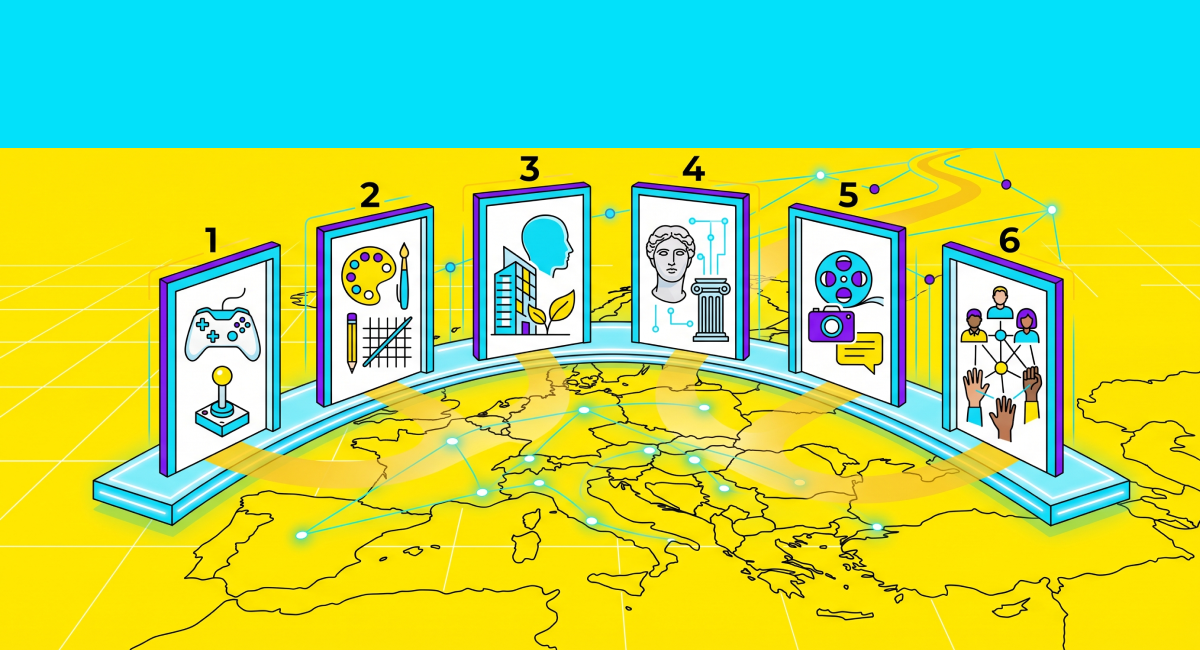
The curated collection: Top resources for kids’ digital rights to explore
1. A comic book on digital ethics by Grady Klein and Yoram Bauman for the European Data Protection Supervisor (EDPS), ISBN 978-92-9242-137-3: Produced for teens and future data experts (ages 15+), this short comic dives into digital ethics, privacy, and data protection. It’s a sharp, accessible primer perfect for high schoolers who are already navigating complex online spaces. See: The cartoon introduction to Digital Ethics - Learning corner
2. A manga / webtoon series “The privacy agency: The shadow network” by Grelin and Faouz.B for the Commission Nationale de l’Informatique et des Libertés (CNIL): The French data protection authority has created an educational manga series that is totally binge-worthy! It tackles personal data, identity theft, and cyberbullying with a cool, familiar style, making it highly relatable for middle-schoolers. See: The Privacy Agency - Volume 1: The Shadow Network
3. A child-friendly leaflet “Learn About Your Rights in the Digital Environment” published by the Council of Europe: this leaflet explains how children’s human rights apply in the digital world. It is based on official government guidelines but written specifically for young people under 18. It is an essential resource, a youth-focused guide that clarifies how fundamental human rights—like privacy, safety, and freedom of expression—apply to every child scrolling, gaming, or learning online. Designed to be accessible and empowering, this resource serves as both a roadmap for young people to navigate the web safely and a call to action for the adults and institutions responsible for protecting them. See: Learn about your rights in the digital environment - Children's Rights
4. A video cartoon “The Adventures of Kara, Winston and the SMART Crew” by Childnet: This fun, illustrated series teaches the essential SMART online-safety rules through short stories and memorable characters. It’s a fantastic, ready-to-go resource for lesson packs designed specifically for children aged 7 to 11. Through five captivating pirate-themed episodes, Kara and Winston face common online dilemmas—from sharing personal data to meeting strangers—and call on the 'SMART Crew' for expert advice. This resource transforms essential e-safety lessons into an exciting quest, making it the perfect tool for parents and teachers to help young explorers become 'SMART' (Safe, Meeting, Accepting, Reliable, and Tell) as they navigate the internet. See: The Adventures of Kara, Winston and the SMART Crew | Childnet
5. A collection of comics by the EU Strategy for Better Internet for Kids+: sometimes the best way to tackle complex digital topics is through the power of visual storytelling. The Better Internet for Kids (BIK) resource directory offers a fantastic collection of comic-style guides and books designed to make online safety both engaging and accessible for young readers. From the 125-chapter adventure 'Guardians of the Internet,' which navigates social media and AI, to special-edition Donald Duck comics that teach savvy online habits, these resources use familiar formats to explore real-world dilemmas like cyberbullying, privacy, and screen time. By blending education with the dynamic energy of a comic book, BIK helps children and teens become 'digitally wise' while keeping the learning process fun and relatable. See: Resource directory - Better Internet for Kids
Why visual learning works
The real magic of these resources is their format. Comics and cartoons break down intimidating legal and technical concepts into manageable, scene-by-scene narratives. They offer:
- Relatability: Characters face realistic online dilemmas, helping children visualize consequences.
- Engagement: The vibrant visuals hold attention far better than dense text.
- Accessibility: They make complex topics universally understandable, regardless of learning style.
📢 Call to Action: Share the Digital Wisdom!
If you’re an educator, a parent, or working in child advocacy, it’s time to stop just talking about digital rights and start showing them!
Explore these resources and put a comic book in the hands of a young person today. Let's make sure the next generation is not just in the digital world, but is safely and confidently in control of their rights within it.
#DigitalRights #KidsOnlineSafety #EdTech #ComicsForGood #ChildSafety
P.S.For the ultimate EU hub of child-focused digital-safety materials, check out the Better Internet for Kids (BIK+) portal. It’s the best place to discover even more country-level comic campaigns!