Finding the space for human rights in our schools


The bell rings, the register is taken, and the curriculum begins. In the hustle of lesson plans, grading, and administrative requirements, a fundamental question often gets pushed to the periphery: Is the school a place where human rights are lived, or merely a place where they are taught?
Recently, the FutureEd project—a collaborative initiative between CollectiveUP, EUDEC, and ALLI asbl—brought together the partners to refine a strategy that goes beyond standard pedagogy. We are moving toward a framework that shifts education from a system of control to a system of autonomy.
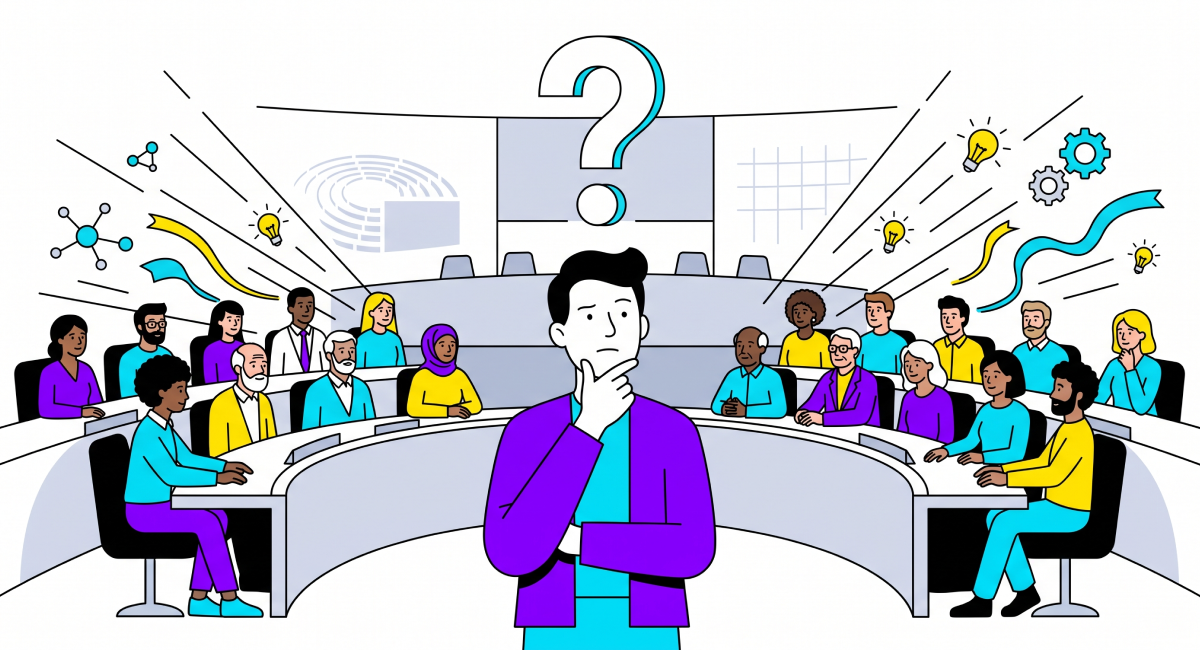
At the heart of our latest meeting was a question that we believe every educator should stop and consider:
"Do you think there is space for human rights at schools?"
On the surface, the answer seems like an obvious "yes." Most modern curricula include modules on citizenship, history, and social justice. But there is a profound difference between learning about human rights and exercising them.
The spectrum: From control to autonomy
Conventional education models are often built on a foundation of "instruction and compliance." In these environments, students are frequently viewed as "becomings"—individuals who will one day have rights once they have reached a certain age or level of knowledge.
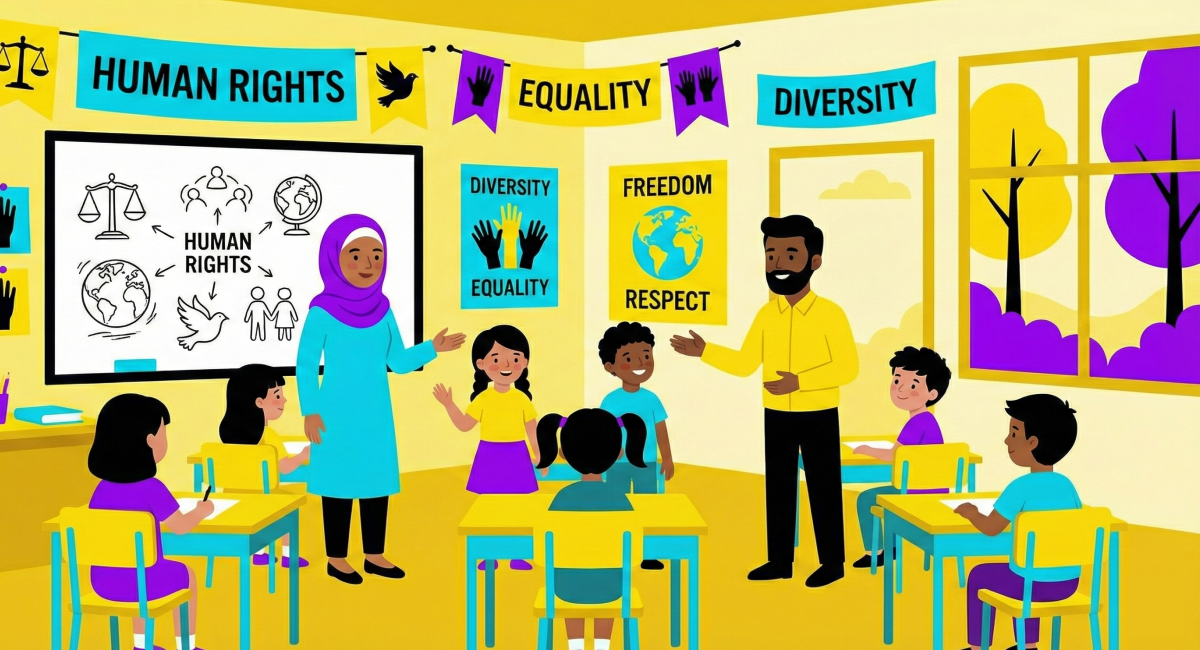
The FutureEd project proposes a different lens. We view students as "rights-bearing persons" in the present tense. If we accept that human dignity is inherent and equal, then the classroom must become a living laboratory for democratic practice.
More than just a policy
When we ask teachers if there is space for human rights, we are asking about the "hidden curriculum."
- Does a student have a say in how they spend their time?
- Is there a mechanism for collective decision-making (like a school parliament or circle)?
- Are digital rights—the right to privacy, data protection, and digital agency—protected in an increasingly tech-reliant world?
For many teachers, creating this "space" feels like a radical act. It requires shifting the power dynamic from "power over" to "power with." It means moving away from a model where the teacher is the sole authority and towards one where the teacher is a facilitator of a community of rights-holders.
What does this look like in practice?
In our upcoming focus groups, we are inviting teachers, students, and parents to share their evidence. We aren't looking for textbook definitions; we are looking for the moments where democracy breathed in a hallway.
- It looks like a student-led initiative to change a school rule.
- It looks like a restorative justice circle instead of a detention hall.
- It looks like a classroom where a student feels safe enough to disagree with the status quo.
Join the conversation
The FutureEd project is dedicated to exploring how democratic education can be the fullest expression of a rights-centric system. But we cannot do this in a vacuum. We need the voices of those who are in the schools every day.
To the teachers: Do you feel the current system allows you to treat your students as full rights-bearing citizens? What are the barriers? And more importantly, what are the small wins you see every day?
The space for human rights in schools isn't just found in the architecture of the building or the text of the law—it’s found in the quality of the relationships we build within them.
Keep in touch to learn more about our focus groups and the FutureEd strategy, we will be publishing the results on www.collectiveup.be/project/futureed.