What democratic schools know: A guide to rights-centred education


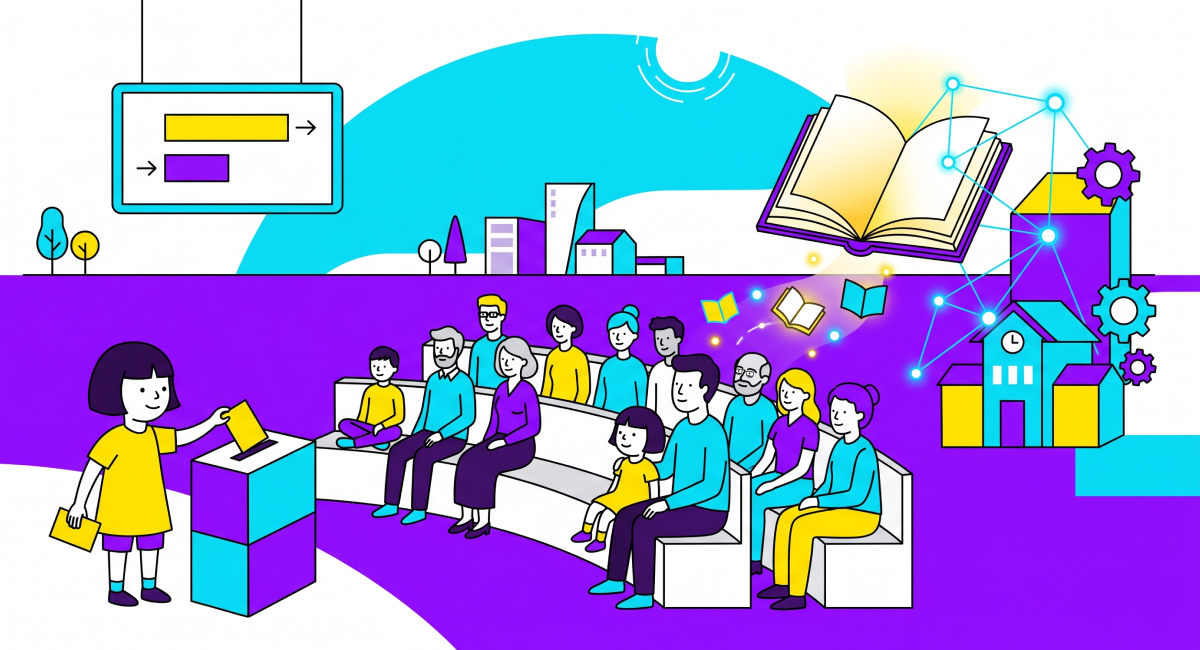
Somewhere in Europe right now, a school assembly is voting on its own rules — and the youngest voter is seven years old. Democratic schools have been quietly practising rights-centred education for decades, treating children's participation not as a pedagogical garnish but as the operating system of the school. The second FutureEd guide gathers what these schools have learned and hands it to everyone else.
Learning from the pioneers, with EUDEC
This guide — a rights-centred education guide with best practices from democratic education — is developed with our FutureEd partner EUDEC, the European Democratic Education Community, the network that connects democratic schools and educators across Europe. EUDEC's members run schools where students genuinely share decision-making: school meetings with equal votes, conflict resolution through justice committees, learning driven by curiosity rather than compulsion. The guide distills these decades of practice into principles and concrete examples that any school can adapt — without needing to become a democratic school overnight.
From "councils for show" to real participation
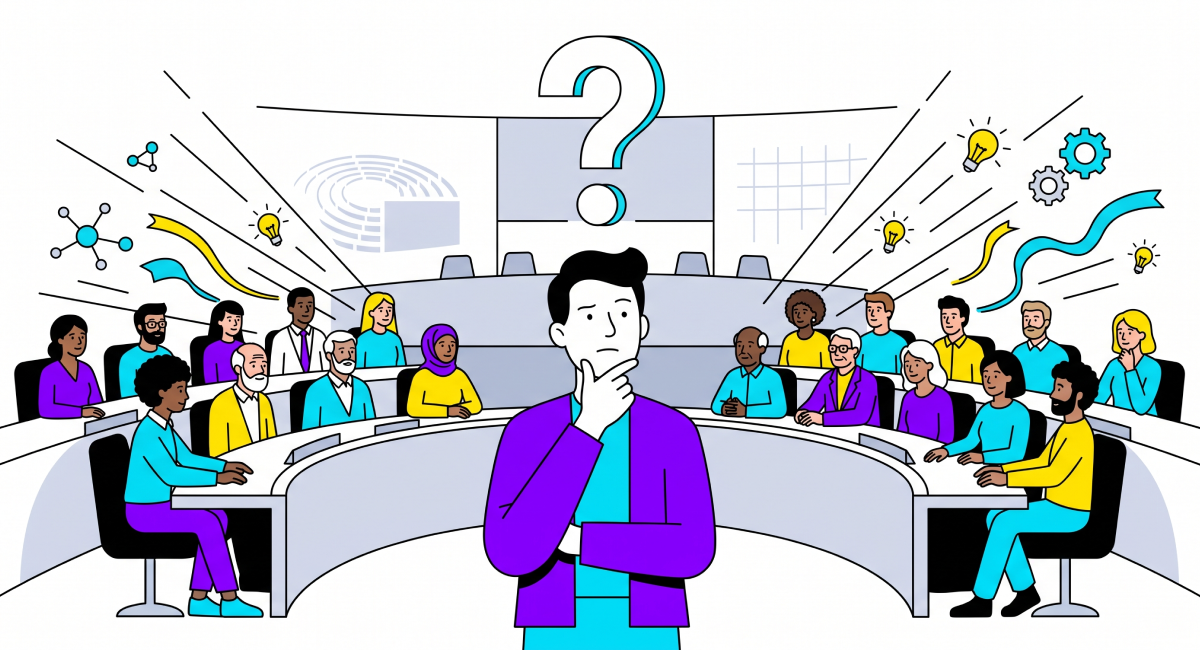
In our FutureEd youth focus group this summer, teenagers described student councils that "didn't really actually do much" and votes that adults could veto at will. But the same young people lit up describing moments of real agency — co-deciding schedules, running their own school trips. That contrast is the heart of this guide: the difference between schools that consult students and schools that share power with them. The guide shows what the second option looks like in practice — how meetings are structured, how responsibility is scaffolded by age, how conflicts become learning opportunities instead of punishments.
Practical value for every kind of school
You do not need a radical school model to use this guide. A conventional school can start with one honest class meeting a week. A school board can pilot a genuine student voice in one policy area. A teacher can restructure how classroom rules are made. The guide is written for exactly these entry points — for educators, school leaders, parents and partner organisations who want participation that children can feel, not just see on a poster.
Coming very soon
The guide (currently in final layout) is being polished for publication this August — we will share the link on this blog and our social channels the moment it is live. In the meantime, you can explore the first FutureEd guide, ALLI asbl's legal and ethical framework on rights-centred education, and check the advancement on the democratic practices guide with EUDEC.
And, come back next week for the third: our Digital Rights Awareness Guide, built around "Zara & the Glowing Realm."
Curious what genuine student participation could look like in your school or organisation? We help schools, municipalities and networks design it — through workshops, training, co-creation trajectories and joint EU projects. One email starts the conversation: liliana.carrillo@collectiveup.be or info@collectiveup.be
FutureEd is an Erasmus+ (KA210) project co-funded by the European Union, developed with our partners ALLI asbl and EUDEC. Views and opinions expressed are however those of the author(s) only and do not necessarily reflect those of the European Union or the European Commission.
#FutureEd #DemocraticEducation #EUDEC #StudentVoice #RightsCentredEducation #ErasmusPlus #CollectiveUP