Beyond the Bell: Redefining Human Rights in the Classroom


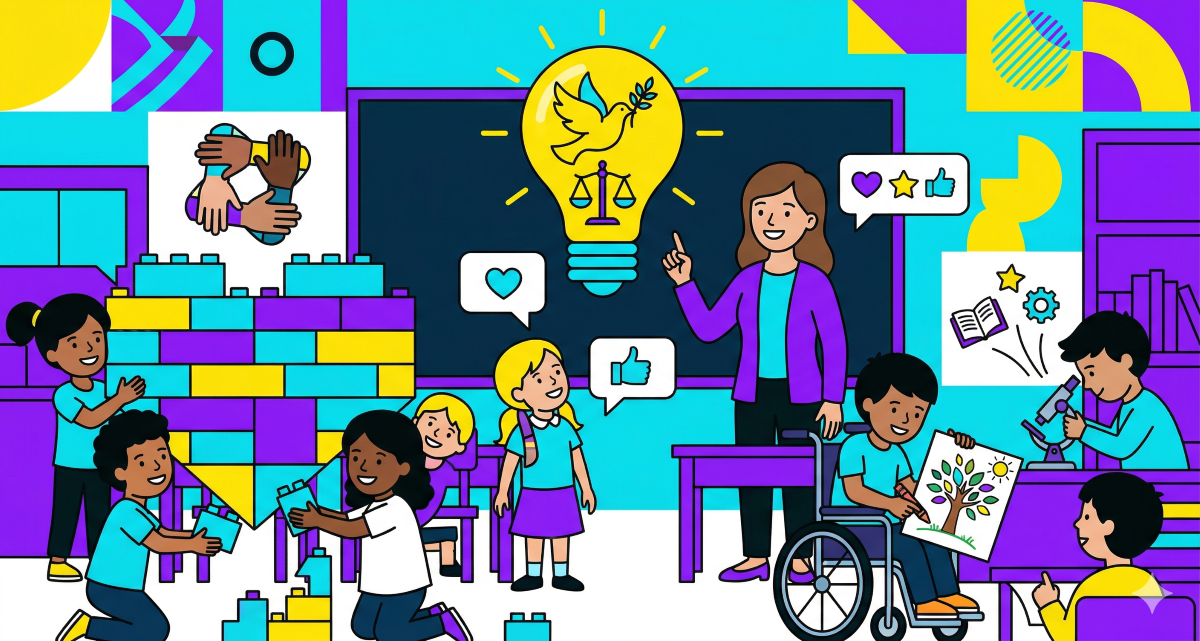
What does it actually mean to have "rights" at school? Is it just the right to an education, or is it the right to be a whole human being while receiving it?
Recently, as part of the FutureEd project, an initiative co-creating the future of European education, we sat down with a group of visionary educators to explore the intersection of human rights, self-directed learning, and the digital frontier. The conversation was raw, insightful, and a powerful reminder that the "traditional" way isn't the only way.
The "hidden" rights we forget
When we talk about human rights in schools, we often think of big, transnational frameworks. But for participants like Svetlana Zabolotnaia, rights are often much more fundamental: they are basic needs.
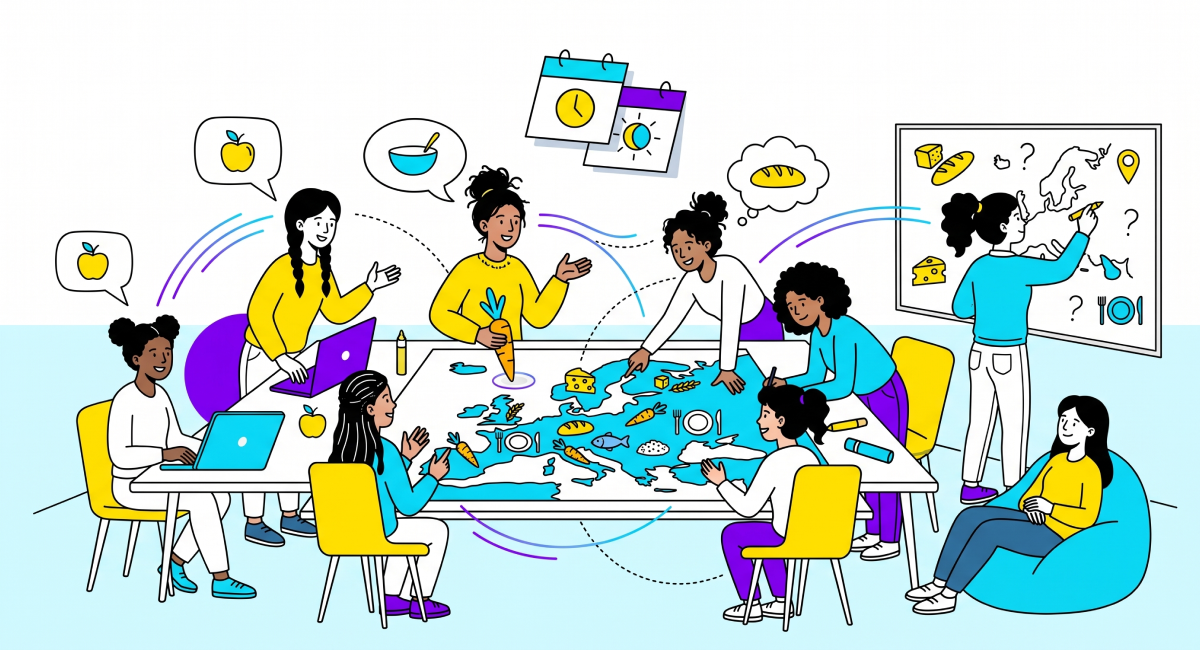
- The right to wellness: In many traditional systems, basic needs like healthy food and the simple choice of what to eat are overlooked.
- Bodily autonomy: We often forget that in conventional settings, students frequently need permission for basic bodily functions, like drinking water or using the restroom.
- The right to say "No": A cornerstone of the discussion was the importance of self-directed education, where a child’s right to say "no," explore interests without judgment, and maintain their own mental and bodily autonomy is foundational.
Conventional schools vs. Agile Learning Centers (ALCs)
The group tackled a difficult question:
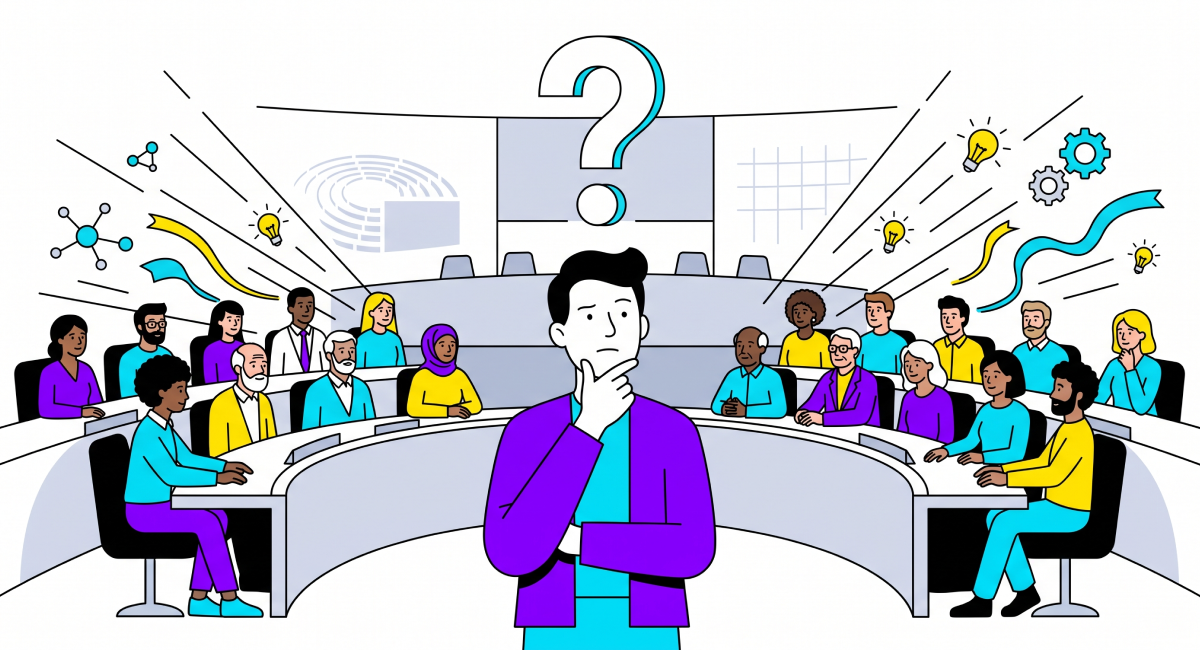
Is there space for these rights in our current system?
Abby Oulton pointed out that it depends on the purpose of the school. If a school is designed to "process" and categorize children for an extractive system, then human rights often get in the way. However, if the goal is to help young people flourish, then belonging, competence, and self-determination must be the foundation of the design.
In Agile Learning Centers (ALCs), these rights aren't just "added on", they are baked into the model. Nancy Tilton highlighted how ALCs prioritize connection and relationship over production and value judgments, aiming to be an extension of the home rather than a place that "rips" children away from their families.
Democracy: Procedural or Relational?
Is an ALC a "democratic school"? It depends on your definition.
While they might not always follow strict "one-person, one-vote" rules or Robert’s Rules of Order, they are deeply democratic in a relational sense. It’s about voices mattering, making decisions together, and allowing children the space to learn how to run their own lives while adults handle the legalities and "boring" stuff like insurance.
The new frontier: Digital Rights
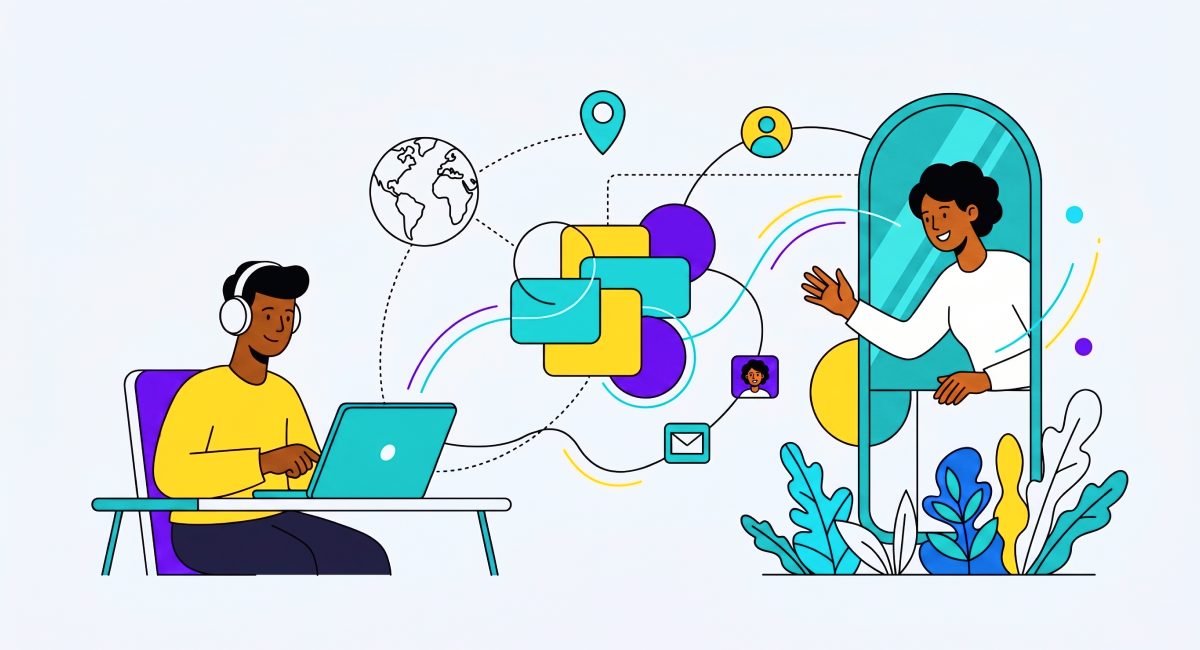
As our classrooms move online, a new set of rights has emerged. The group expressed deep concerns regarding privacy violations seen during the pandemic, such as the mandated collection of biometric data without clear protections.
However, digital rights also mean meaningful access. Nancy Tilton shared how digital tools and AI can be empowering:
- Accessibility: Using text-to-speech tools to ensure dyslexic students can participate fully in reading and writing.
- AI as a collaborator: Using AI to help educators summarize observations or even acting as a "Dungeon Master" for student-led games, provided we teach children to be "more powerful than the tool."
Moving Forward
The FutureEd project continues to analyze these insights to help shape an educational landscape in Europe that respects the inherent dignity of every learner. As Nancy Tilton put it, we should strive for "different expressions of success" that allow children to grow into healthy, happy adults.
Want to dive deeper into the future of education?
Explore more about our work at www.collectiveup.be/project/futureed.